
“Execution is a team sport — and connection is how the team stays in sync.”
— Ram Charan, Execution: The Discipline of Getting Things Done
CONNECTION
People will do almost anything to gain a sense of hope — to believe that their work, their presence, and their voice matter. In every workplace, beneath titles and targets, there are quiet human needs driving behavior: the need to feel needed, to feel understood, and to feel seen. These are not weaknesses — they are the emotional engines of motivation. And connection is how they’re met.
When professionals communicate with empathy and authenticity, they give others what everyone silently craves — acknowledgment, belonging, and trust. That’s why connection skills are not just social skills; they are strategic power skills.
Grow Relationships, Grow Results
Research shows that professionals with strong relationship networks enjoy up to 33% faster career progression and significantly higher job satisfaction. In fact, people who cultivate meaningful workplace connections are more than twice as likely to report engagement and purpose in their roles.
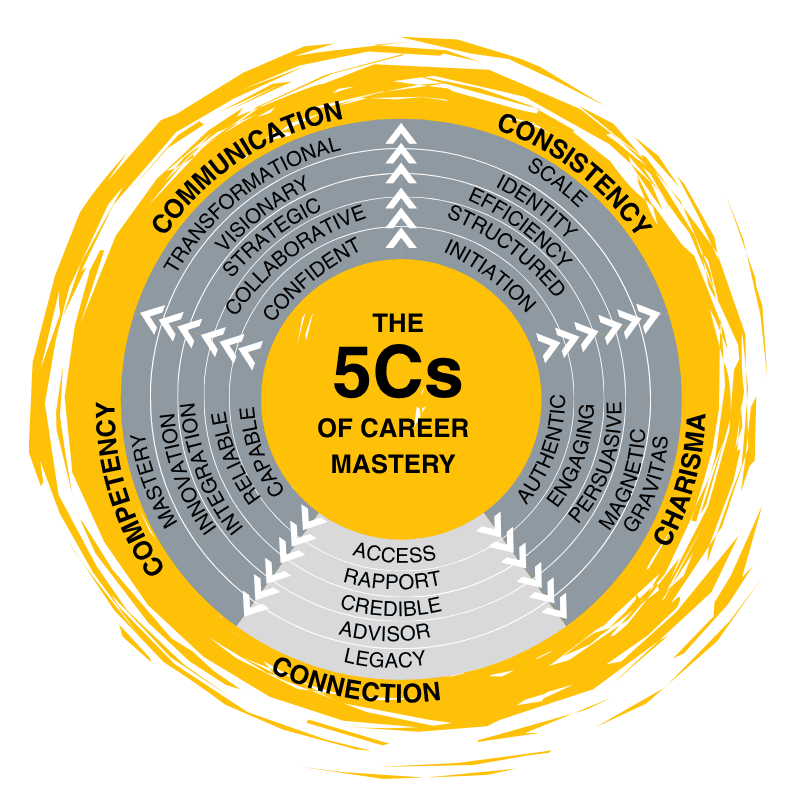
The 5 Levels Of Mastery In Connection
Many professionals, unknowingly, fall into hidden traps — what psychologists call the human addictions of the workplace:
The need to feel needed, leading to overcommitment;
The need to find a scapegoat, to explain setbacks;
The need to be noticed and understood, often mistaken for validation.
At Career Pitstop, we help professionals channel these human drives into healthy, high-impact growth. Through guided practice, peer support, and structured reflection, we transform connection from emotional dependence into emotional intelligence — from needing validation to creating value.
When you learn to connect with clarity, empathy, and purpose, you no longer chase attention — you create alignment. You don’t seek to be needed — you become indispensable. You don’t look for a scapegoat — you build ownership.
Because in the end, connection is not just about being known — it’s about making others feel known. That’s the skill that turns ordinary professionals into extraordinary leaders.

LEVEL 1: Building Visibility and Openness
Access
At this stage, the professional learns that connection begins with showing up — attending, engaging, and reaching out authentically. The goal isn’t quantity but intentional visibility. The professional becomes approachable and curious, setting the foundation for future trust.
Mindset shift- From “I need contacts” → “I create genuine access.”
LEVEL 2: Building Trust through Authenticity
Rapport
Now connection becomes relational, not transactional. The professional learns to listen deeply, find common ground, and show reliability in small ways. This level transforms casual encounters into meaningful human relationships.
Mindset shift- From “I connect to network” → “I connect to understand.”


LEVEL 3: Building Reliability and Value
Credible
At this stage, the professional’s work begins to speak for itself. They deliver consistently, follow through on commitments, and communicate transparently. Credibility becomes their brand, and others begin to see them as dependable partners, not just colleagues.
Mindset shift- From “I want people to like me” → “I want people to rely on me.”
LEVEL 4: Building Influence through Insight
Advisor
Here, the professional moves from performer to trusted advisor. They influence decisions, mediate challenges, and offer counsel that shapes direction. Their communication becomes less about information, more about insight and empowerment.
Mindset shift- From “I deliver value” → “I create impact through guidance.”


LEVEL 5: Building Networks that Empower Others
Legacy
At this level, connection becomes transformational. The professional mentors, connects others, and fosters a culture of collaboration. Their legacy is not the number of relationships they hold but the quality of trust they multiply.
Mindset shift- From “I build my network” → “I build networks that build others.”